
What's the Difference Between a Reading Tutor and a CALT?
Not all reading help is built the same. Here's what a Certified Academic Language Therapist is specifically trained to do that a general tutor typically isn't — and how to know which one your child actually needs.
A general reading tutor reinforces classroom material and homework, usually without specialized dyslexia training. A CALT, or Certified Academic Language Therapist, is credentialed through a rigorous, supervised program to diagnose and treat language-based reading differences using structured, multisensory methods like Orton-Gillingham. If typical tutoring hasn't closed your child's reading gap, that's usually a sign the teaching method — not the effort — needs to change.
What a CALT is trained to do that a general tutor isn't
Diagnostic assessment
A CALT can administer and interpret formal diagnostic assessments that pinpoint exactly where a reading breakdown begins.
Structured literacy training
Certification requires supervised, sequential training in Orton-Gillingham-based, multisensory instruction — not a weekend course.
Adaptive, real-time instruction
Every lesson responds to how a child performs in that session — not a fixed script or workbook page.
Professional accountability
CALT certification is overseen by the Academic Language Therapy Association (ALTA), with ongoing standards and continuing education.
General Reading Tutor vs. Certified Academic Language Therapist
General Reading Tutor
- Reinforces classroom material and homework
- May or may not have specialized dyslexia training
- Often follows a set curriculum regardless of the child's specific gaps
- Good fit for kids who need extra practice, not a different teaching method
CALT (Certified Academic Language Therapist)
- Delivers a distinct, diagnostic teaching method built for dyslexia
- Certified specifically to assess and treat language-based reading differences
- Instruction adapts session to session based on how the child responds
- Best fit for kids whose reading gap hasn't closed with typical tutoring
A simple gut check
If your child has tried tutoring or extra homework help and the reading gap hasn't meaningfully closed, that's usually the clearest sign it's not a practice problem — it's a teaching-method problem. That's exactly the gap a CALT is trained to close.
It matters who's teaching your child.
Most reading tutors are not trained in dyslexia. Real progress comes from Orton-Gillingham-based instruction, delivered by someone certified to teach it — that one fact is often the difference between a child who keeps struggling and a child who finally moves forward.
A General Reading Tutor
- Reviews homework and practices sight words
- Uses whatever curriculum the school sends home
- No specific training in language-based learning differences
A CALT-Certified Academic Language Therapist
- Trained specifically to diagnose and treat dyslexia
- Delivers structured, explicit, cumulative instruction
- Certified through a rigorous, supervised training program
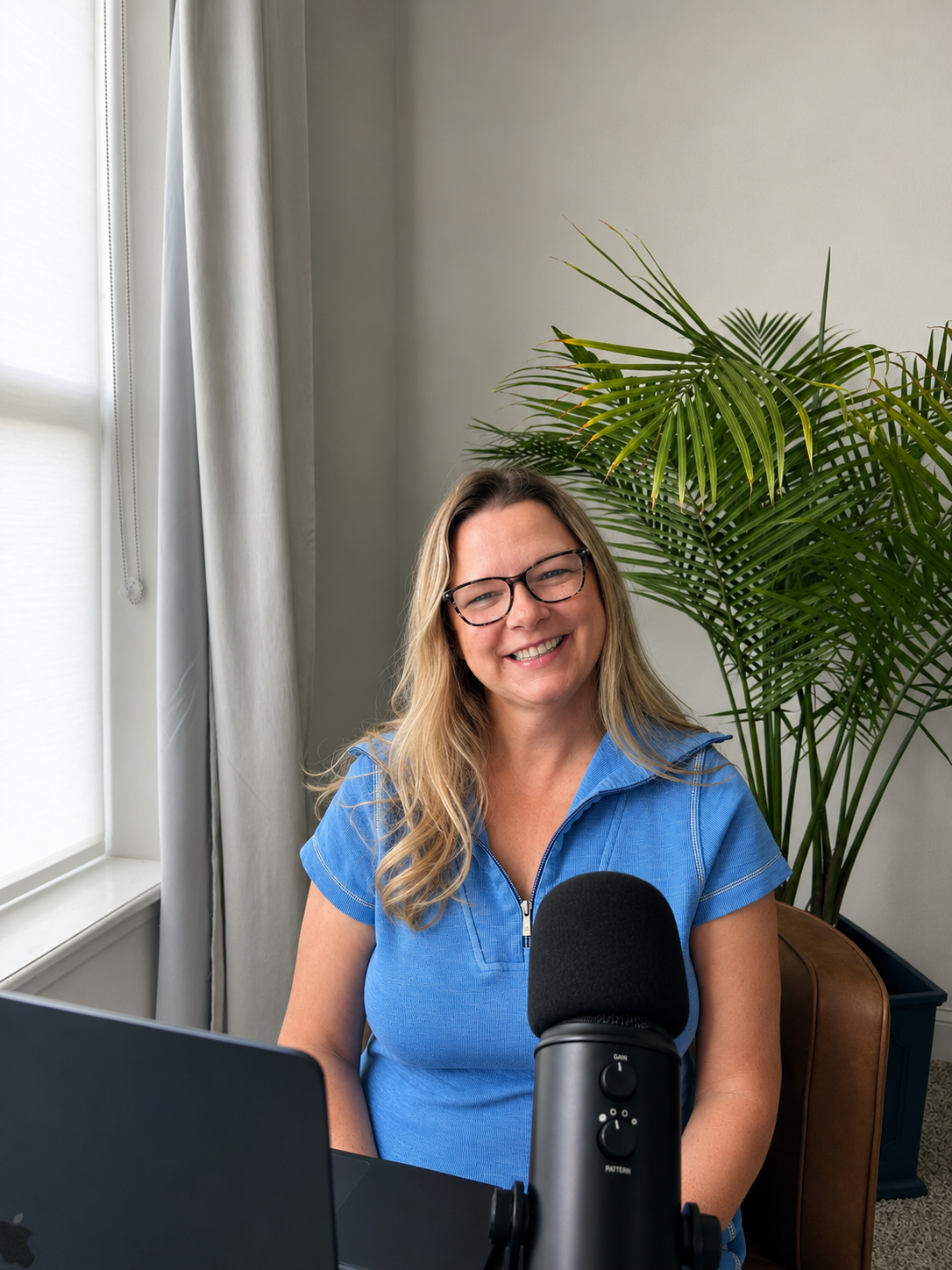
Sessions at ClearPath Dyslexia are led directly by Kathleen Ferrufino, M.Ed., CALT — a Certified Academic Language Therapist and Dyslexia Therapist based in Orlando, Florida, trained and credentialed specifically to work with students with dyslexia and language-based reading difficulties. Not a rotating tutor. Not a generic curriculum. Every plan starts with an assessment and is tracked with data, so you always know where your child stands.
Florida families: dyslexia therapy may be more affordable than you think.
Through Step Up For Students, Florida's Family Empowerment Scholarship for Students with Unique Abilities (FES-UA) gives families of children with dyslexia and other specific learning disabilities an Education Savings Account they can use to pay for tutoring and therapy — including sessions with a Certified Academic Language Therapist.
The Family Empowerment Scholarship for Unique Abilities (FES-UA)
Formerly known as the Gardiner Scholarship, FES-UA is open to Florida students ages 3 through 12th grade with a documented specific learning disability, including dyslexia. Funds can go directly toward tutoring, therapy, and approved educational services — not just private school tuition.
Ask About Scholarship EligibilityEligibility and award amounts are set by Step Up For Students and the state of Florida, not by ClearPath Dyslexia. We're happy to help you understand how a scholarship could apply to therapy sessions — reach out and we'll walk you through it.
Tutor vs. CALT, Answered
Is a CALT the same as a special education teacher?
Why would a tutor not be enough for a child with dyslexia?
How long does CALT certification take to earn?
Should I try a general tutor first before seeing a CALT?
Work directly with a Certified Academic Language Therapist.
Book a free 15-minute call with Kathleen to see if her approach is the right fit for your child.
Schedule a Free Consultation