
Reading shouldn't feel like a guessing game.
When the usual reading help isn't enough, your child deserves a clearer path forward. The Wilson Reading System® teaches the building blocks of reading explicitly, one achievable step at a time.
Talk About Your Child's ReadingTap each part to discover how the word comes together.
A playful illustration of breaking a compound word into parts, not an official Wilson lesson.
They're trying hard. So why isn't reading getting easier?
Some children memorize familiar words but freeze when they see a new one. Others can tell you a wonderful story but struggle to read it on the page. More practice alone may not address the underlying gaps.
Guessing at words
Relying on pictures, first letters, or memory instead of sounding out unfamiliar words.
Slow, tiring reading
Working so hard to identify words that there is little energy left to understand the story.
Growing frustration
Avoiding books, dreading homework, or beginning to believe reading success is out of reach.
Wilson doesn't ask children to guess. It teaches them how to decode.
Developed by Wilson Language Training, Wilson Reading System (WRS) is an intensive, research-informed Structured Literacy program for learners with persistent word-reading and spelling difficulties, including dyslexia.
Instead of skipping around between disconnected skills, instruction is explicit, cumulative, and multisensory. Students learn how sounds, letters, syllables, and meaningful word parts fit together.
Explore How It WorksBig words become manageable pieces.
Children learn to look for patterns and word parts rather than memorizing the shape of every word.
re + mark + able = remarkable
Illustrative example, not a reproduction of a Wilson lesson.A clear sequence. No mystery about what comes next.
The Wilson curriculum is organized into 12 steps that progress from foundational decoding and spelling toward more advanced language skills. The steps are based on mastery, not a child's grade.
Hear the sounds
Strengthen awareness of the individual sounds within spoken words.
Crack the code
Connect sounds to letters and learn reliable syllable patterns for reading and spelling.
Build fluency
Practice accurate word reading in phrases, sentences, and connected text.
Understand more
Expand vocabulary, word-part knowledge, and comprehension as skills grow.
These four stages summarize learning goals for parents; they are not the program's official 12-step labels.
What stronger reading skills can make possible
The goal isn't just to get through a lesson. It's to give your child tools they can use in school and everyday life.
More accurate decoding
Approach unfamiliar words using learned patterns instead of guessing.
Stronger spelling
Understand the sound-letter relationships behind written words.
Better fluency
Build accuracy and automaticity so reading can feel less effortful.
Deeper understanding
Make more room for meaning, vocabulary, and comprehension.
Growing independence
Use strategies when facing new words in class or at home.
Renewed confidence
Experience small successes that can help rebuild motivation.
“Your child doesn't need to become a different kind of learner. They need instruction that makes the structure of language visible.”
ClearPath Dyslexia's approach to structured literacy
Expertise matters. So does feeling understood.
Meet Kathleen Ferrufino, M.Ed., CALT, founder of ClearPath Dyslexia and a Certified Academic Language Therapist.
Her specialized background in dyslexia therapy means your family is talking with someone who understands why reading can be difficult and why systematic, explicit instruction matters.
At ClearPath, the conversation begins with your child's reading history, challenges, and goals—not a one-size-fits-all promise.
Connect With Kathleen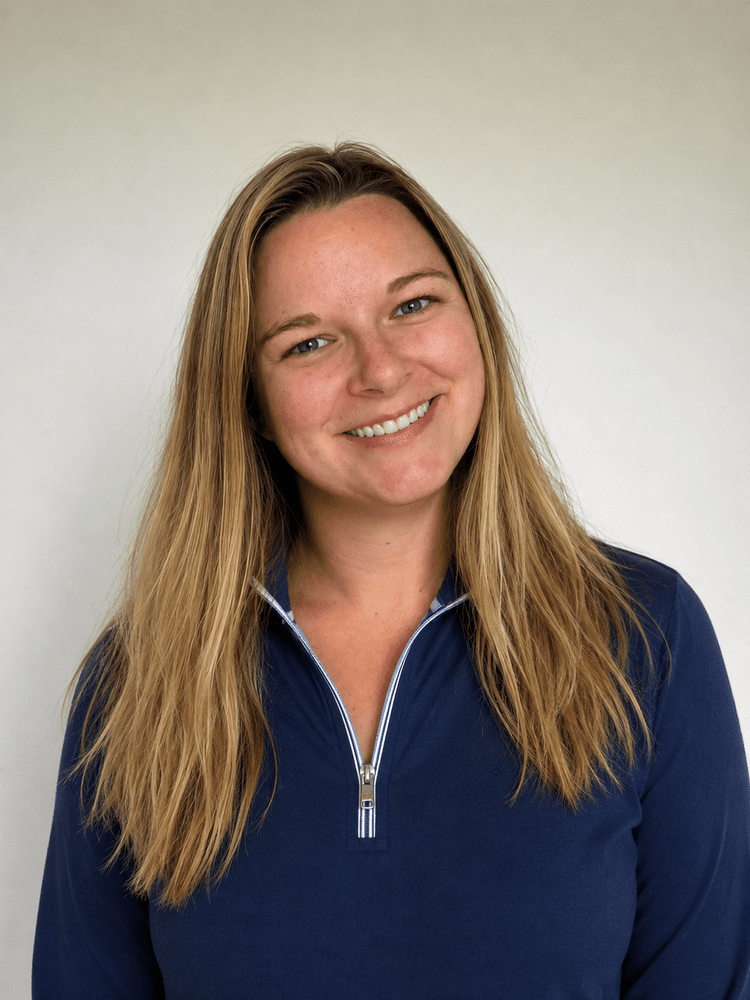
M.Ed. · CALT
Certified Academic Language Therapist
Founder, ClearPath Dyslexia
Orlando, Florida · Virtual reading support
Wilson-specific instructor certification and program delivery details should be confirmed directly with ClearPath.
Especially helpful when other reading approaches haven't been enough.
Wilson is designed for students in grades 2–12 and adults who have significant difficulty with word reading or spelling, including learners with dyslexia.
- Your child struggles to sound out unfamiliar words.
- Reading is unusually slow, laborious, or inaccurate.
- Spelling doesn't improve despite repeated practice.
- Previous interventions haven't produced enough progress.
- Your child may need intensive, individualized Structured Literacy instruction.
The right intervention should be selected after reviewing your child's needs and educational assessment information.
A thoughtful first conversation
1. Tell us what's happening. Share what reading looks like at school and home.
2. Discuss the learning needs. Review your child's history and any evaluations or previous interventions.
3. Explore next steps. Ask whether Wilson or another ClearPath program may be appropriate.
Request Program InformationQuestions parents often ask
Is Wilson the same as ordinary reading tutoring?
No. Wilson is an intensive, sequential Structured Literacy intervention that explicitly teaches decoding, spelling, and language structure. General tutoring may instead focus on reviewing schoolwork or practicing classroom skills.
What ages is Wilson designed for?
Wilson Language Training identifies grades 2–12 and adults as the intended population. A child's instructional needs and assessment results matter more than age alone.
How long does the program take?
There is no universal completion timeline. Wilson consists of 12 instructional steps, and progression depends on student mastery. Wilson describes full lessons as three approximately 30-minute blocks and recommends at least two complete lessons weekly; ask ClearPath about its specific scheduling and delivery model.
Will my child become a confident reader?
The program targets skills that can support more successful and independent reading. Every learner progresses differently, so no responsible provider can guarantee a particular reading level or timeline.
Does my child need a dyslexia diagnosis?
Wilson serves students with significant word-level reading and spelling deficits, including dyslexia. Appropriate placement should be informed by a comprehensive educational assessment. Contact Kathleen to discuss your child's situation.
Can we use Step Up for Students funding?
ClearPath says it accepts Step Up for Students scholarships. Funding depends on your scholarship type, current program rules, approved services, and available funds. Confirm eligibility and reimbursement or payment requirements before enrolling.
Help your child find a clearer path to reading.
Tell Kathleen what your child is struggling with. Together, you can explore whether Wilson Reading System or another structured literacy approach is a good fit.
Schedule a ConversationQuestions? kathleen@clearpathdyslexia.com
Program information: Wilson Language Training · Wilson curriculum · Evidence of effectiveness. Wilson Reading System® is a registered trademark of Wilson Language Training Corporation. This ClearPath page is not an official Wilson Language Training page.